


Society
Five Rs for a happier retirement
Published: 21 May 2026
Retirement is often seen as a finish line, but once you reach it, what comes next? Without the structure and purpose of working life, it can feel unfamiliar and unexpectedly flat. Here, anthropologist, broadcaster and author, Dr Anna Machin shares five Rs to help you find your new rhythm in retirement.
1 Recognise
While many people prepare for the practicalities of retirement, few anticipate the big emotions that come with it.
This huge life transition doesn’t simply equal freedom, it marks the loss of daily structure, regular social connection and a sense of purpose.
Anna explains: “This may sound surprising, but most of us will experience a sense of grief in retirement.
“It’s easy to put retirement on a pedestal. But instead of feeling relaxed and carefree, many people experience loss and discontentment.
“That’s because you have lost a huge part of your identity. Often we choose our careers while at school, it’s been part of your sense of self for decades, so it can be hugely unsettling when it suddenly goes away.”
Grief can have a profound effect on the mind, and retirement grief can too.
“The advice on how to cope is exactly as you would with grief,” says Anna. “Acknowledge it, accept your feelings, and explore ways to move forward. When someone dies, you reshape your identity to be without them. In retirement, you must reshape your identity to being without work in your life.”
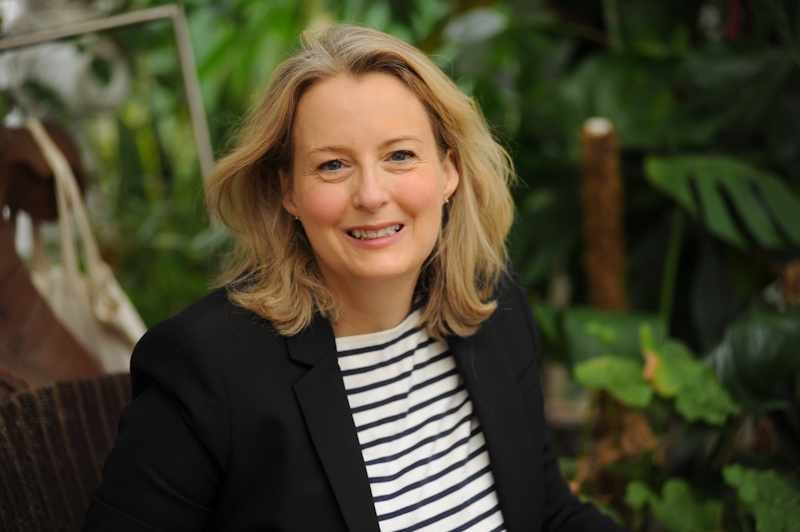
Anthropologist, broadcaster and author, Dr Anna Machin
2 Reveal
One of the most effective ways to process retirement grief is to talk about it with others.
“The loss we experience in retirement isn’t unique – most people go through it, which makes it much easier to seek support for. Local friendship groups like the Oddfellows are perfect because you can meet others of a similar age who are experiencing the same feelings and can empathise," says Anna.
“Peer support is vital. Talking to others reminds you that you are not alone and your feelings are completely normal.”
3 Rebuild
The wonderful thing about this life transition is that it’s not the end, but the start of something new. While you may grieve the life you built around work, it’s an opportunity to rebuild what truly matters to you.
You may not have put much thought into your work identity, beyond finding something to pay the bills. Now your identity is something you’re crafting just for yourself.
Anna says: “The key is replacing your old ‘work’ identity with a new one – the only difficulty is finding the right one!”
Taking your time and thinking about what gave you a sense of purpose in your working life can help you transition into your new role.
She explains: “Many new retirees can experience ‘choice dilemma’ when an abundance of options leads to decision paralysis and anxiety.
“Men, in particular, are likely to struggle at this, because they often identify more strongly with their jobs than women, who typically define themselves through multiple roles – mother, friend, daughter – alongside their careers.”
She says: “Hobbies are a fantastic way to bring you joy and keep you busy. But if you were a leader or breadwinner in your working life, then this alone may not be enough to maintain a sense of purpose.”
“Volunteering, for example, can help you feel purposeful, but on your own terms. And it doesn’t have to be serious or structured. Perhaps volunteering to support fellow Oddfellows members who are less able, fundraising, or helping out at an event will create meaningful opportunities to fill this gap,” adds Anna.
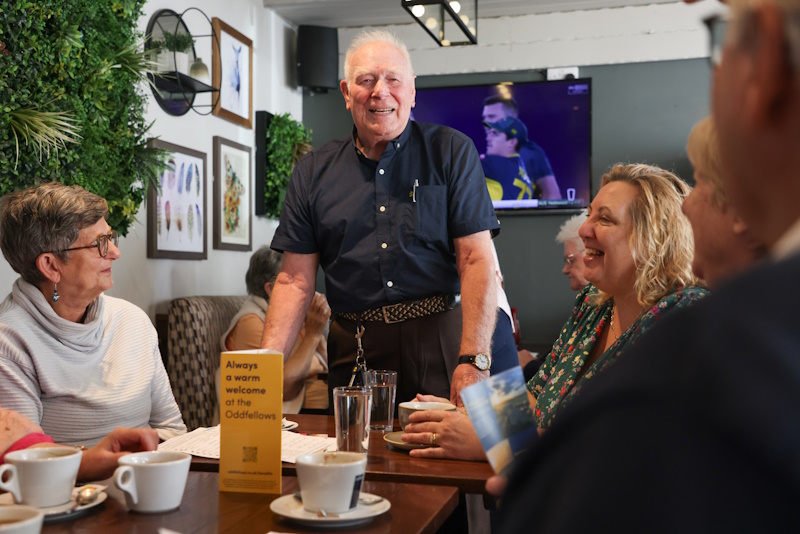 Friendship groups like the Oddfellows can help close the social gap from retirement
4 Replace
No longer interacting with colleagues every day will also leave a social gap, which is where loneliness and retirement grief can sneak in. So, it’s important not to isolate yourself or stew in your emotions.
Anna explains: “Good relationships underpin your health.
“Colleagues may not be your closest friends – and you may not think you’ll miss them – but they provided a reassuring sense of familiarity and stability which you will no longer have access to.
“Humans are designed to feel better together, so it’s important to build relationships that close the social gap from retirement as quickly as possible.”
Anna adds that organised community groups with a shared purpose, such as the Oddfellows, are a great short-cut to finding human connection.
She says: “Group activities offer both emotional and social rewards.
“When you share an activity – like a craft or walking group – your body releases beta-endorphins, natural chemicals that promote positive mental health.
“So, if you find making new friends daunting, joining a social group in your early retirement can be a fantastic way to help boost your confidence.”
She adds: “Groups focused on doing, such as a hobby or exercise group, are great because they allow connections to form more organically.
“When you have something tangible to focus on during the activity, the friendships you make come as a natural byproduct.”
5 Find your rhythm
Anna concludes: “There’s no shame in finding retirement difficult – it represents one of life’s biggest transitions and should be recognised as such.
“Preparing can make the transition smoother, but if you’re already retired and things don’t feel settled yet, there’s no need to panic or compare your experience to anyone else’s – everyone’s path is unique.
“Finding peer support with other retirees is great but it's important to take responsibility for your own wellbeing. The familiarity of friends gives us a boost but you can’t rely on anyone else to build this chapter of your life for you. You’ve worked hard to be retired – now is the time to march to the beat of your own drum!”
How to find your nearest Oddfellows friendship group
Oddfellows friendship groups are welcoming spaces for people to connect, support one another, and enjoy life together. Around 815 hosted social events and activities are held across the UK each month. Give one a try. There’s no obligation to join.
You can find your nearest Oddfellows Branch by using our Branch Finder, or use our Events Finder to search for social events and activities happening near to where you live or online.
Contact us to request your free information pack and local events diary.
Register for an online open day.
Read more advice on making friends in later life and building social confidence in our friendship guides section.
Free 'five Rs' webinar
To further support retirees, Dr Anna Machin is hosting a free webinar on Tuesday 14 July at 7pm. In this Zoom session, she’ll talk you through her ‘Five Rs for a Happier Retirement’ and offer expert advice on how to navigate the emotional and social aspect of this life stage.
Attendees will learn how to recognise and rebuild their identities, reveal their feelings, replace lost routines with new ones, and ultimately find a new rhythm that excited them. Register here or find out more.
About Dr Anna Machin
Anna is a doctor of evolutionary anthropology, a writer and broadcaster. She is world renowned for her work in the science and anthropology of close human relationships.
She is also the author of Why We Love: The Definitive Guide to our most Fundamental Need.
www.annamachin.com
You might also like to read
Society
28 September 2026
Meet Grand Master Debbie Jex
Society
27 August 2026
North Glos Oddfellows' donation to Air Ambulance Charity